
Ganzes Apartment
Appartamento Galeoni Ostia Holiday
Wähle deine Daten, um Preise zu sehen
Fotogalerie von Appartamento Galeoni Ostia Holiday

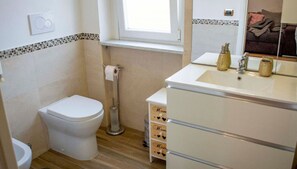
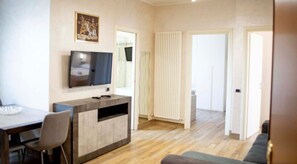
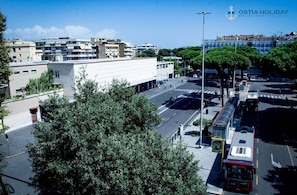
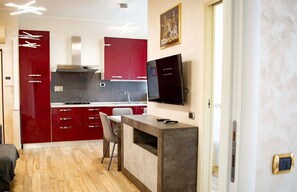
Ganzes Apartment
1 Schlafzimmer1 BadezimmerPlatz für 6 Gäste80 m²
Beliebte Annehmlichkeiten
Lerne die Gegend kennen

ROMA
- Pontile Di OstiaPlace, Pontile Di Ostia10 Gehminuten
- Il CurvonePlace, Il Curvone15 Gehminuten
- Archäologischer Park Ostia AnticaPlace, Archäologischer Park Ostia Antica2 Autominuten
- Rom (FCO-Fiumicino - Leonardo da Vinci Intl.)Airport, Rom (FCO-Fiumicino - Leonardo da Vinci Intl.)11 Autominuten
Zimmeroptionen
Ähnliche Unterkünfte

Gemütliche Ferienwohnung für max. 6 Personen in Ostia Lido, einem Vorort von Rom.
Lido di Ostia
Gemütliche Ferienwohnung für max. 6 Personen in Ostia Lido, einem Vorort von Rom.
Lido di Ostia
- Küche
- Waschmaschine
- Haustiere erlaubt
- Kostenloses WLAN
4.8 von 5, Außergewöhnlich, 22 Bewertungen
4,8
Außergewöhnlich
22 Bewertungen

Domus Gioconda 2 Ferienhaus (int. B)
Lido di Ostia
Domus Gioconda 2 Ferienhaus (int. B)
Lido di Ostia
- Küche
- Waschmaschine
- Kostenloses WLAN
- Klimaanlage
4.8 von 5, Außergewöhnlich, 4 Bewertungen
4,8
Außergewöhnlich
4 Bewertungen

Lotus- apartment seafront rome
Lido di Ostia
Lotus- apartment seafront rome
Lido di Ostia
- Küche
- Waschmaschine
- Kostenloses WLAN
- Klimaanlage
5.0 von 5, Außergewöhnlich, 5 Bewertungen
5
Außergewöhnlich
5 Bewertungen
Der Preis beträgt 176 €
176 €
inkl. Steuern & Gebühren
20. Apr.–21. Apr.

Casa Nonna Anna, Ihre Entspannung in Rom direkt am Meer
Lido di Ostia
Casa Nonna Anna, Ihre Entspannung in Rom direkt am Meer
Lido di Ostia
- Mikrowelle

Kai- Oasis Ostia lido Rome
Lido di Ostia
Kai- Oasis Ostia lido Rome
Lido di Ostia
- Küche
- Waschmaschine
- Klimaanlage
- Spielzeug/Spiele

Blu Nautilus, Lido di Ostia
Lido di Ostia
Blu Nautilus, Lido di Ostia
Lido di Ostia
- Küche
- Waschmaschine
- Klimaanlage
- Blick auf den Strand
Der Preis beträgt 257 €
257 €
inkl. Steuern & Gebühren
19. Mai–20. Mai

At 85, Lido di Ostia, Rome
Lido di Ostia
At 85, Lido di Ostia, Rome
Lido di Ostia
- Blick auf den Ozean
- Whirlpool
- Küche
- Waschmaschine
5.0 von 5, Außergewöhnlich, 1 Bewertung
5
Außergewöhnlich
1 Bewertung

1 minute from train station to Rome center; near the seaside. Ostia Lido di Roma
Lido di Ostia
1 minute from train station to Rome center; near the seaside. Ostia Lido di Roma
Lido di Ostia
- Küche
- Kostenloses WLAN
- Klimaanlage
- Parkplätze verfügbar
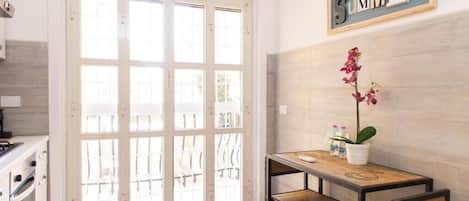
Appartamento Liberty Ostia Holiday
Lido di Ostia
Appartamento Liberty Ostia Holiday
Lido di Ostia
- Küche
- Haustiere erlaubt
- Klimaanlage

Casa Galante Ostia Center Magnificent apartment
Lido di Ostia
Casa Galante Ostia Center Magnificent apartment
Lido di Ostia
- Küche
- Waschmaschine
- Kostenloses WLAN
- Klimaanlage
3.8 von 5, Gut, 4 Bewertungen
3,8
Gut
4 Bewertungen
Mehr zu dieser Unterkunft
Appartamento Galeoni Ostia Holiday
Discover the charm of Roma at our 80 sqm apartment! This cozy property features modern amenities for a comfortable stay. Explore the city's stunning attractions just a short stroll away. Book now for an unforgettable Roman holiday!
Lido di Ostia, also known simply as Ostia, is a popular coastal neighborhood located near Rome, Italy. It is well known for its beautiful sandy beaches, vibrant promenade, and delicious seafood restaurants. Visitors can enjoy sunbathing, swimming, and water sports activities along the stunning Tyrrhenian Sea. Near the accommodation, guests can visit the Parrocchia Santa Maria Regina Pacis, a charming church that is worth exploring for its architecture and religious significance. It offers a peaceful retreat from the bustling city life and provides insight into the local culture and traditions. Overall, Lido di Ostia is a wonderful destination for travelers looking to relax by the sea, indulge in Italian cuisine, and immerse themselves in the rich history of the region.
Ostia (officially Lido di Ostia[2]) is the coastal hamlet forming part of the Italian municipality of Roma Capitale. It includes the Lido di Ostia Ponente (Q. XXXIII), Lido di Ostia Levante (Q. XXXIV) and Lido di Castel Fusano (Q. XXXV) districts, and falls within the territory of the Roma X Municipality. A well known tourist location, it overlooks the Tyrrhenian Sea near the mouth of the Tiber river, which delimits its borders with the municipality of Fiumicino. Much of the area was built starting from the early 20th century, at the end of the reclamation of the area carried out after the annexation of Rome to the Kingdom of Italy. The settlement of Ostia, according to tradition, was built under the reign of the fourth king of Rome Ancus Marzio around 630 BC, on the then coastline of the Tyrrhenian Sea and near the mouth of the Tiber river.[5][6 ][7][8] The actual date of foundation is rather uncertain: according to the Greek historian Polybius, for example, the foundation of the settlement took place under the reign of Numa Pompilius a few decades earlier while the French historian Jérôme Carcopino placed the birth of Ostia after the victories of the Romans over the Etruscans and the Ancients and believed that before the colony there was a sanctuary dedicated to the god Vulcan, of which, however, no trace remains.[9] The main function of Ostia was that of the supply of salt although the archaeological site suggests that it had, in the beginning, an important military function as the base of the first Roman fleets. Proof of its importance is the exemption from military conscription during the Second Punic War. The Roman theater of Ostia From the few historiographical and literary sources it is clear that during the civil war between Marius and Silla Ostia was sacked by the followers of the populares and subsequently rebuilt by the Roman dictator. Archaeological evidence attests it to be one of the most developed cities in pre imperial Lazio. Recognizing its importance both as a seaport and as a commercial emporium, the city was enriched in the Augustan age, to which the Roman theater and the renovation of the forum date back. Augustus himself planned to provide the city with a port basin suitable for its function which was then built along the Tiber river by Emperor Claudius in 46 about 4 km from Ostia. As the years passed, the city had to meet the growing needs of Rome and the Claudian port, whose planning errors led to continuous silting, was replaced by the hexagonal port of Trajan designed by Apollodorus of Damascus. The port grew independently as a suburb of Ostia and under Emperor Constantine I it became an autonomous city. Precisely in the Constantinian era, the decline of the first Roman colony began due both to the moving of the imperial capital to Constantinople and to the growing importance of nearby Porto. Invia commenti Riquadri laterali Cronologia Salvate
Lido di Ostia, also known simply as Ostia, is a popular coastal neighborhood located near Rome, Italy. It is well known for its beautiful sandy beaches, vibrant promenade, and delicious seafood restaurants. Visitors can enjoy sunbathing, swimming, and water sports activities along the stunning Tyrrhenian Sea. Near the accommodation, guests can visit the Parrocchia Santa Maria Regina Pacis, a charming church that is worth exploring for its architecture and religious significance. It offers a peaceful retreat from the bustling city life and provides insight into the local culture and traditions. Overall, Lido di Ostia is a wonderful destination for travelers looking to relax by the sea, indulge in Italian cuisine, and immerse themselves in the rich history of the region.
Ostia (officially Lido di Ostia[2]) is the coastal hamlet forming part of the Italian municipality of Roma Capitale. It includes the Lido di Ostia Ponente (Q. XXXIII), Lido di Ostia Levante (Q. XXXIV) and Lido di Castel Fusano (Q. XXXV) districts, and falls within the territory of the Roma X Municipality. A well known tourist location, it overlooks the Tyrrhenian Sea near the mouth of the Tiber river, which delimits its borders with the municipality of Fiumicino. Much of the area was built starting from the early 20th century, at the end of the reclamation of the area carried out after the annexation of Rome to the Kingdom of Italy. The settlement of Ostia, according to tradition, was built under the reign of the fourth king of Rome Ancus Marzio around 630 BC, on the then coastline of the Tyrrhenian Sea and near the mouth of the Tiber river.[5][6 ][7][8] The actual date of foundation is rather uncertain: according to the Greek historian Polybius, for example, the foundation of the settlement took place under the reign of Numa Pompilius a few decades earlier while the French historian Jérôme Carcopino placed the birth of Ostia after the victories of the Romans over the Etruscans and the Ancients and believed that before the colony there was a sanctuary dedicated to the god Vulcan, of which, however, no trace remains.[9] The main function of Ostia was that of the supply of salt although the archaeological site suggests that it had, in the beginning, an important military function as the base of the first Roman fleets. Proof of its importance is the exemption from military conscription during the Second Punic War. The Roman theater of Ostia From the few historiographical and literary sources it is clear that during the civil war between Marius and Silla Ostia was sacked by the followers of the populares and subsequently rebuilt by the Roman dictator. Archaeological evidence attests it to be one of the most developed cities in pre imperial Lazio. Recognizing its importance both as a seaport and as a commercial emporium, the city was enriched in the Augustan age, to which the Roman theater and the renovation of the forum date back. Augustus himself planned to provide the city with a port basin suitable for its function which was then built along the Tiber river by Emperor Claudius in 46 about 4 km from Ostia. As the years passed, the city had to meet the growing needs of Rome and the Claudian port, whose planning errors led to continuous silting, was replaced by the hexagonal port of Trajan designed by Apollodorus of Damascus. The port grew independently as a suburb of Ostia and under Emperor Constantine I it became an autonomous city. Precisely in the Constantinian era, the decline of the first Roman colony began due both to the moving of the imperial capital to Constantinople and to the growing importance of nearby Porto. Invia commenti Riquadri laterali Cronologia Salvate
Dieses Apartmenthaus ermöglicht es dir, Pontile Di Ostia innerhalb weniger Gehminuten zu erreichen. Dieses Apartment umfasst verschiedene Annehmlichkeiten, unter anderem ein Schlafsofa.
- Dieses Apartment verfügt über ein Schlafsofa
- 6 Minuten mit dem Auto von Archäologischer Park Ostia Antica und 6 Minuten von Porto Turistico di Roma entfernt
Ausstattung der Unterkunft
Schlafzimmer
- Schlafsofa
- Schlafzimmer
Badezimmer
- 1 Badezimmer
Haustiere
- Nur Assistenztiere (Haustiere nicht gestattet)
Eignung/Barrierearmut
- Nichtraucherunterkunft
Sicherheitsvorrichtungen
- Kein Kohlenmonoxidmelder angegeben (der Gastgeber hat nicht angegeben, ob in der Unterkunft ein Kohlenmonoxidmelder vorhanden ist; bringe ggf. einen tragbaren Melder mit)
- Kein Rauchmelder angegeben (der Gastgeber hat nicht angegeben, ob in der Unterkunft ein Rauchmelder vorhanden ist)
Allgemeines
- Größe der Wohneinheit: 80 Quadratmeter
- Kinder sind in der Unterkunft nicht erlaubt
Richtlinien
Anreise
Der Check-in beginnt um 14:00 Uhr
Mindestalter für den Check-in: 18 Jahre
Abreise
Check-out vor 10:00 Uhr
Hinweise zum Check-in
Du erhältst vom Gastgeber eine E-Mail mit Angaben zu Check-in und Check-out.
Von der Unterkunft zur Verfügung gestellte Informationen werden ggf. mit automatischen Übersetzungstools übersetzt.
Haustiere
- Haustiere sind nicht gestattet, Assistenztiere sind jedoch willkommen.
Kinder und Zustellbetten
- Kinder sind in dieser Unterkunft nicht gestattet.
Veranstaltungen
Veranstaltungen sind nicht gestattet
Rauchen
Rauchen ist nicht gestattet
Wichtige Informationen
Wissenswertes
Diese Unterkunft wird von einem professionellen Gastgeber verwaltet. Die Vermietung erfolgt zu gewerblichen, geschäftlichen oder beruflichen Zwecken.
Für zusätzliche Personen fallen möglicherweise Gebühren an, die abhängig von den Bestimmungen der Unterkunft variieren können.
Beim Check-in werden ggf. ein Lichtbildausweis und eine Kreditkarte, Debitkarte oder Kaution in bar für unvorhergesehene Aufwendungen verlangt.
Je nach Verfügbarkeit beim Check-in wird versucht, Sonderwünschen entgegenzukommen, sie können jedoch nicht garantiert werden. Eventuell fallen zusätzliche Gebühren an.
Diese Unterkunft akzeptiert Bargeld.
Partys oder Gruppenveranstaltungen sind auf dem Gelände der Unterkunft streng verboten.
Der Gastgeber hat nicht angegeben, ob es in der Unterkunft einen Kohlenmonoxidmelder gibt; wir empfehlen, einen tragbaren CO-Melder mitzubringen.
Der Gastgeber hat nicht angegeben, ob es in der Unterkunft einen Rauchmelder gibt.
Diese Unterkunft wird von unserem Partner FeWo-direkt/Vrbo verwaltet. Du erhältst eine E-Mail von FeWo-direkt/Vrbo mit einem Link zu deinem Kundenkonto, in dem du deine Buchung ändern oder stornieren kannst.
Du erhältst vom Gastgeber eine E-Mail mit Hinweisen zur An- und Abreise. Zudem erhältst du eine E-Mail von FeWo-direkt/Vrbo mit einem Link zu deinem Kundenkonto, in dem du deine Buchung verwalten kannst.
Wenn du deine Buchung stornierst, gelten die Stornierungsbedingungen des Gastgebers. Gemäß den EU-Verordnungen über Verbraucherrechte unterliegen Buchungsservices für Unterkünfte nicht dem Widerrufsrecht.
Was wir noch erwähnen sollten
- Alle Gäste (auch Kinder) werden gebeten, beim Check-in anwesend zu sein und ihren Lichtbildausweis oder Reisepass vorzulegen.
- Bargeldtransaktionen dürfen 5000 EUR aufgrund von geltenden Bestimmungen nicht überschreiten. Wende dich für weitere Details bitte an die Unterkunft. Die Kontaktdaten findest du auf deiner Buchungsbestätigung.
Die Unterkunft ist auch bekannt als
632398